.avif)


.webp)



The scalaria Science Lounge 2026
A pioneering spirit that transcends boundaries: international aerospace leaders discuss the future of mobility at Lake Wolfgang
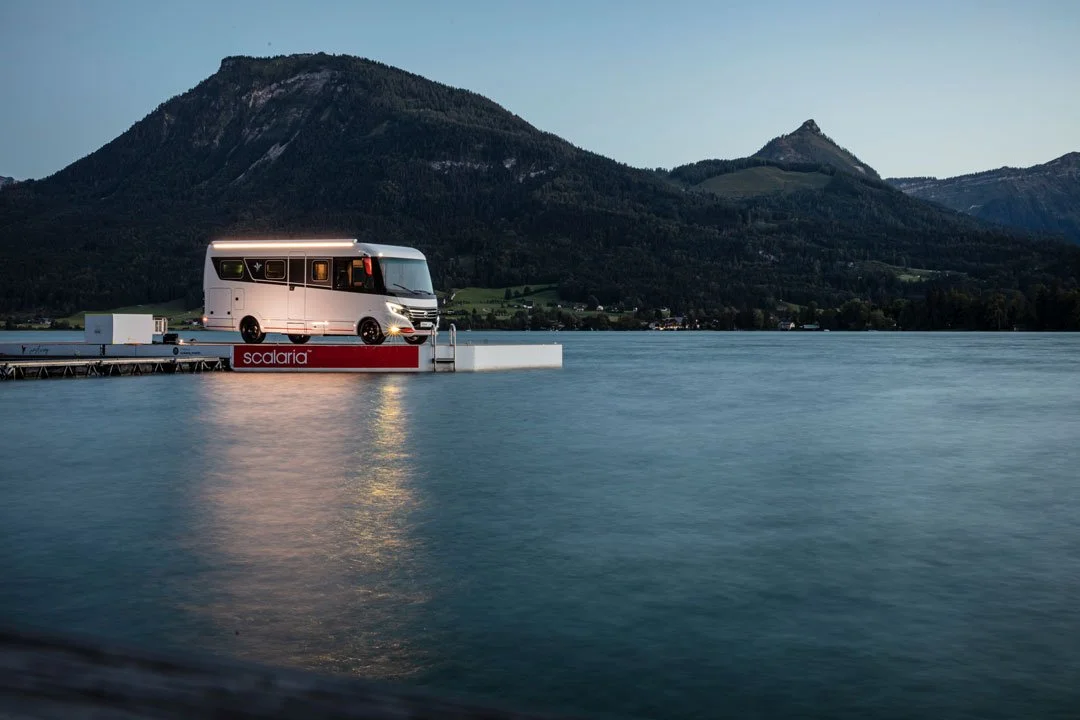
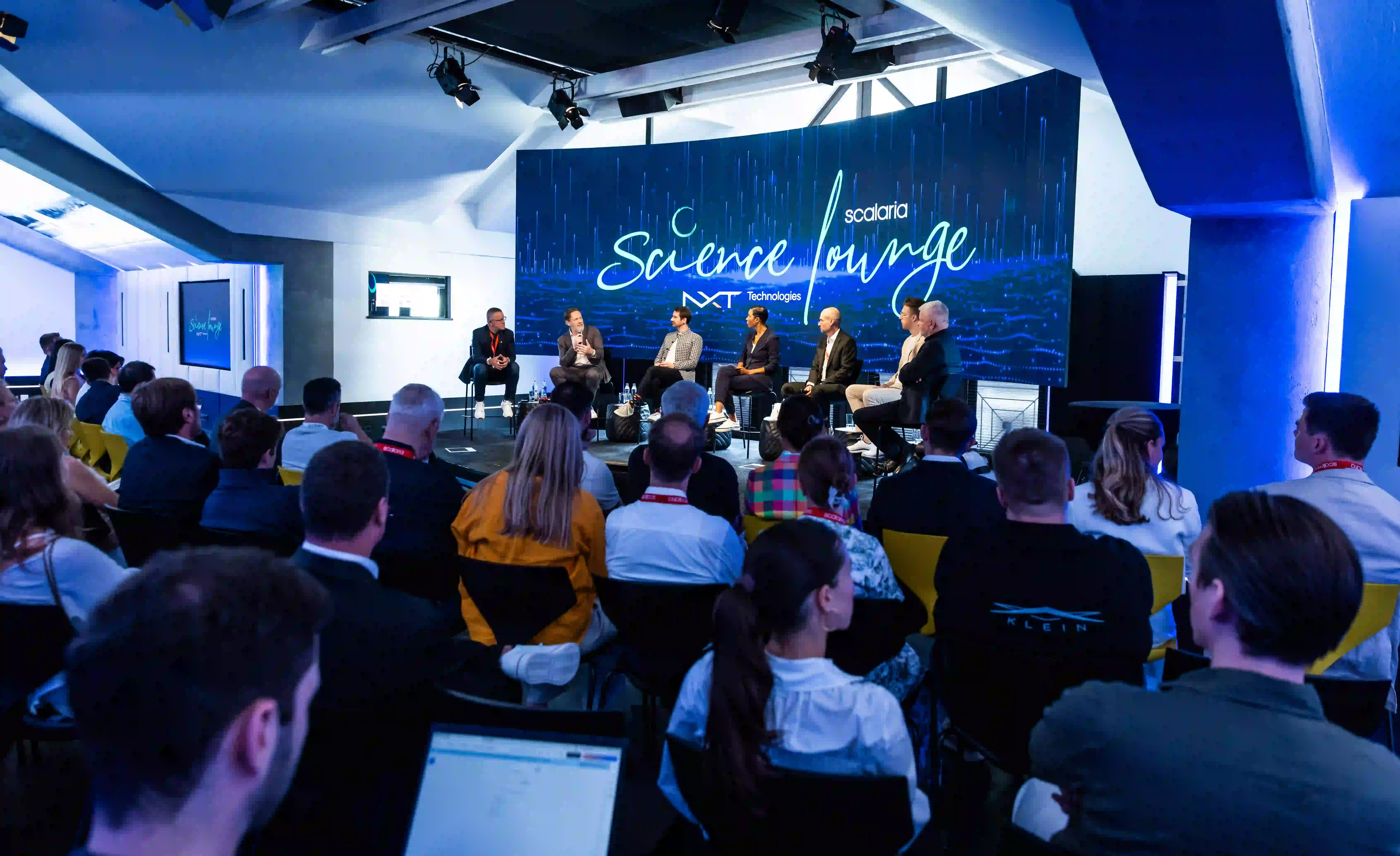
As part of the scalaria Living Legends of Aviation Europe Awards 2026, international entrepreneurs, developers and visionaries gathered in St. Wolfgang on September 5 to discuss technologies and ideas with the potential to transform aviation, space travel, mobility and rescue services.
Under the guiding theme “PIONEERING INNOVATION – Developing a New Archetype,” the focus was on groundbreaking developments for which no established blueprints yet exist. Among those taking part were FACC, Airbus Helicopters, Rocket Factory Augsburg, AVILUS and Klein Vision, alongside international partners from the aerospace sector.
“With the Science Lounge, we have created a format that brings people together. This is where the future is imagined – and where the foundations are laid for turning those ideas into reality,” says Humberto Schenk of scalaria.
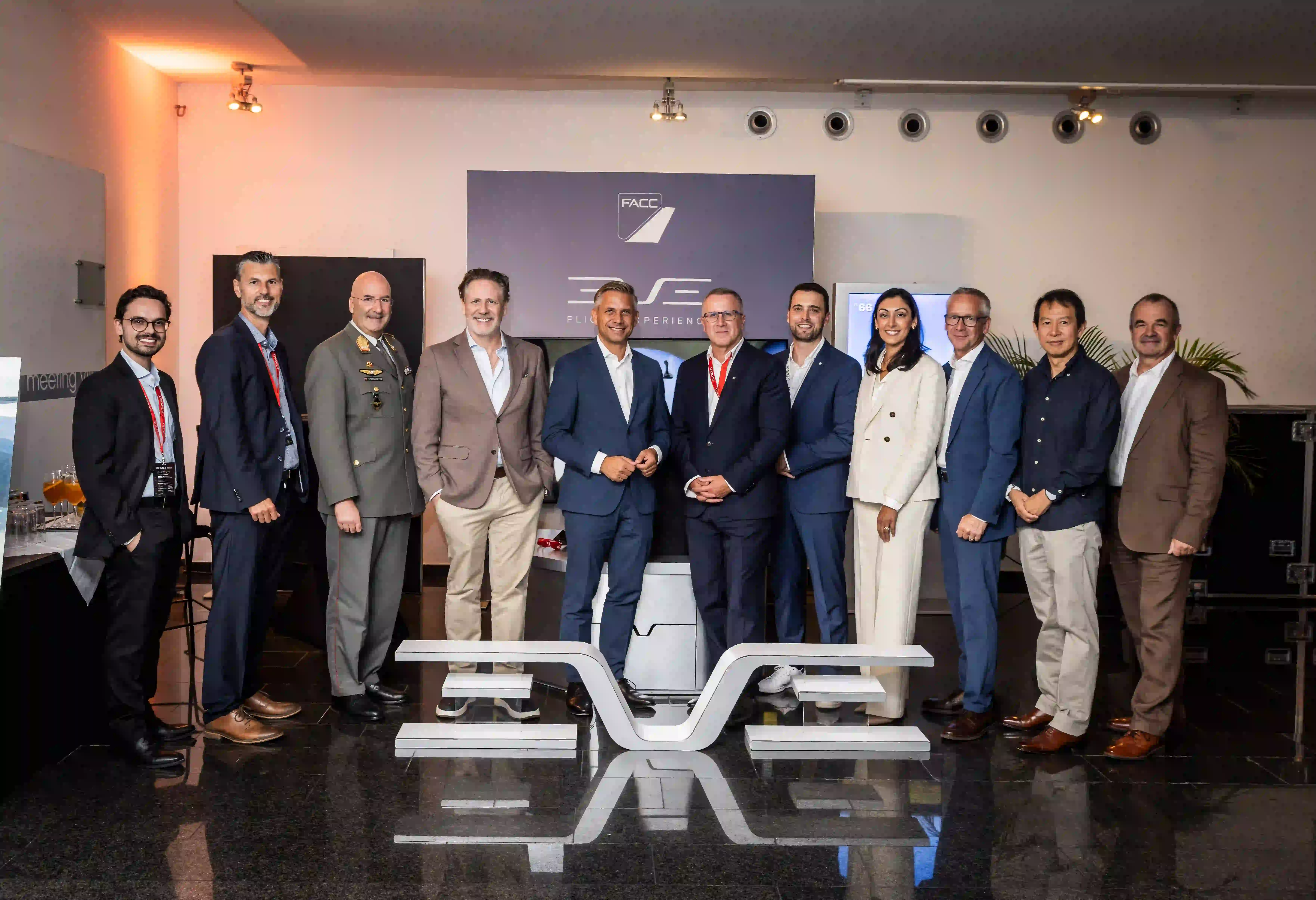
Moderated by Annabelle Mandeng, the event – co-developed with NXT Technologies from Salzburg – brought together Robert Machtlinger, CEO of FACC; Johannes Plaum, Chief Developer at Airbus Helicopters; Dr. Stefan Brieschenk, Co-Founder and COO of Rocket Factory Augsburg; Dr. Daniel Dollinger, CEO of AVILUS; and Stefan Klein and Anton Zajac of Klein Vision.
Together, they explored how innovation emerges when companies and industries begin to learn from one another – and how pioneering ideas can become the technologies that shape the mobility of tomorrow.

PIONEERING INNOVATION – Developing a New Archetype
How do you develop something entirely new when there is no blueprint to follow? Which decisions drive innovation forward – and which apparent setbacks later prove to be decisive breakthroughs? These questions provided the thematic framework for the Science Lounge.
At its core was the realization that groundbreaking innovation is increasingly emerging beyond the boundaries of individual industries. Aviation, space, automotive, digitalization and new mobility concepts are increasingly drawing on technologies, materials and experience from other fields. This exchange is key to accelerating development and opening up new paths to solutions.
“Legends are not created by chance. They emerge from people who move forward when others are still weighing their options. The Living Legends at Lake Wolfgang bring exactly these people together. FACC has been part of this journey from the very beginning,” said Robert Machtlinger, CEO of FACC.
From Rescue Missions to Urban Air Mobility
AVILUS demonstrated just how diverse the applications of new technologies can be with its fully electric rescue drone “GRILLE.” The unmanned aircraft was developed to transport people even in situations where conventional rescue vehicles or helicopters reach their limits. In April 2026, the German Armed Forces commissioned two test units. At Lake Wolfgang, AVILUS CEO Niclas Bähr demonstrated the potential autonomous systems could offer for rescue operations and emergency medicine in the future.
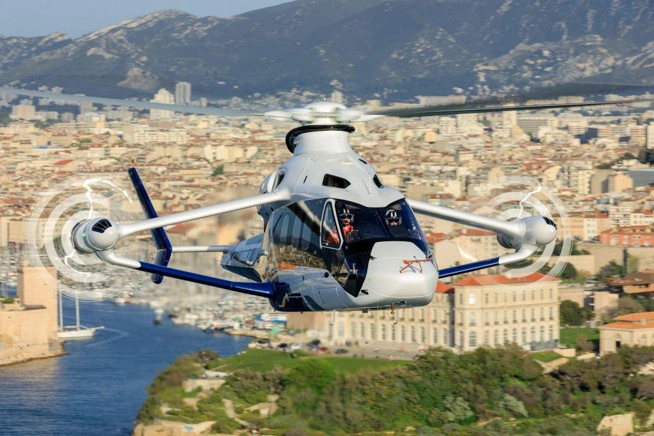
Airbus Helicopters is pursuing a different approach with the “RACER.” Two propellers mounted on either side of the aircraft enable significantly higher cruising speeds than conventional helicopters while also aiming to improve efficiency. Chief Developer Johannes Plaum offered insights into a concept that deliberately combines characteristics of different types of aircraft.
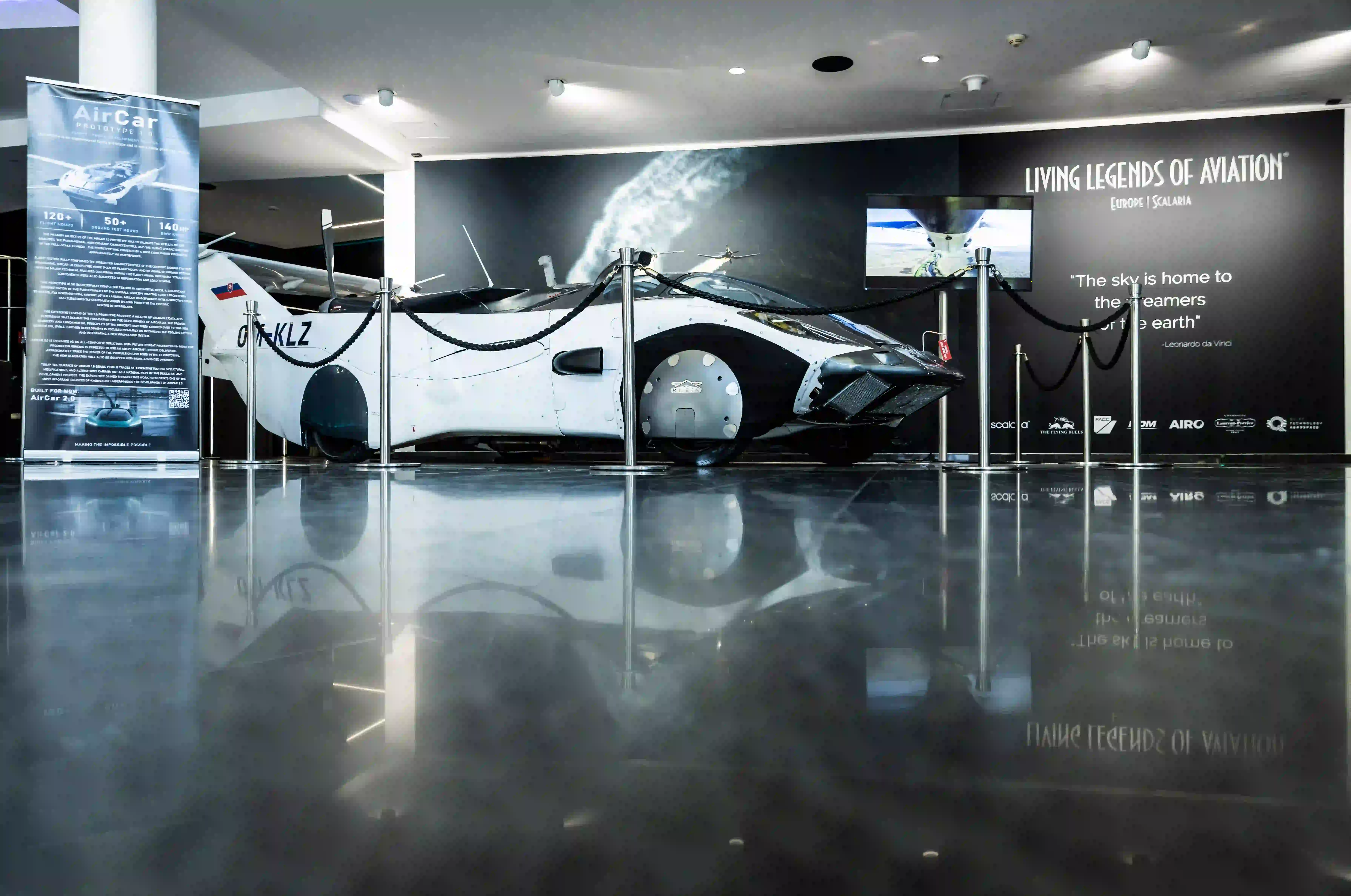
Stefan Klein and Anton Zajac demonstrated how the road and aviation sectors can also converge with the AirCar. Within just a few minutes, the vehicle transforms from a road-going car into an aircraft. Following more than 200 take-offs and landings, the patented development has already received airworthiness certification in Slovakia. Stefan Klein will be honored as a Living Legend at the scalaria Living Legends of Aviation Europe Awards for his technical achievements.
European Innovation for Orbit
Dr. Stefan Brieschenk of Rocket Factory Augsburg brought another perspective to the Science Lounge. The company aims to manufacture rockets increasingly according to industrial principles and in series production. Production methods inspired by the automotive industry are being transferred to spaceflight, with the goal of making European satellite launches more economically viable in the long term.
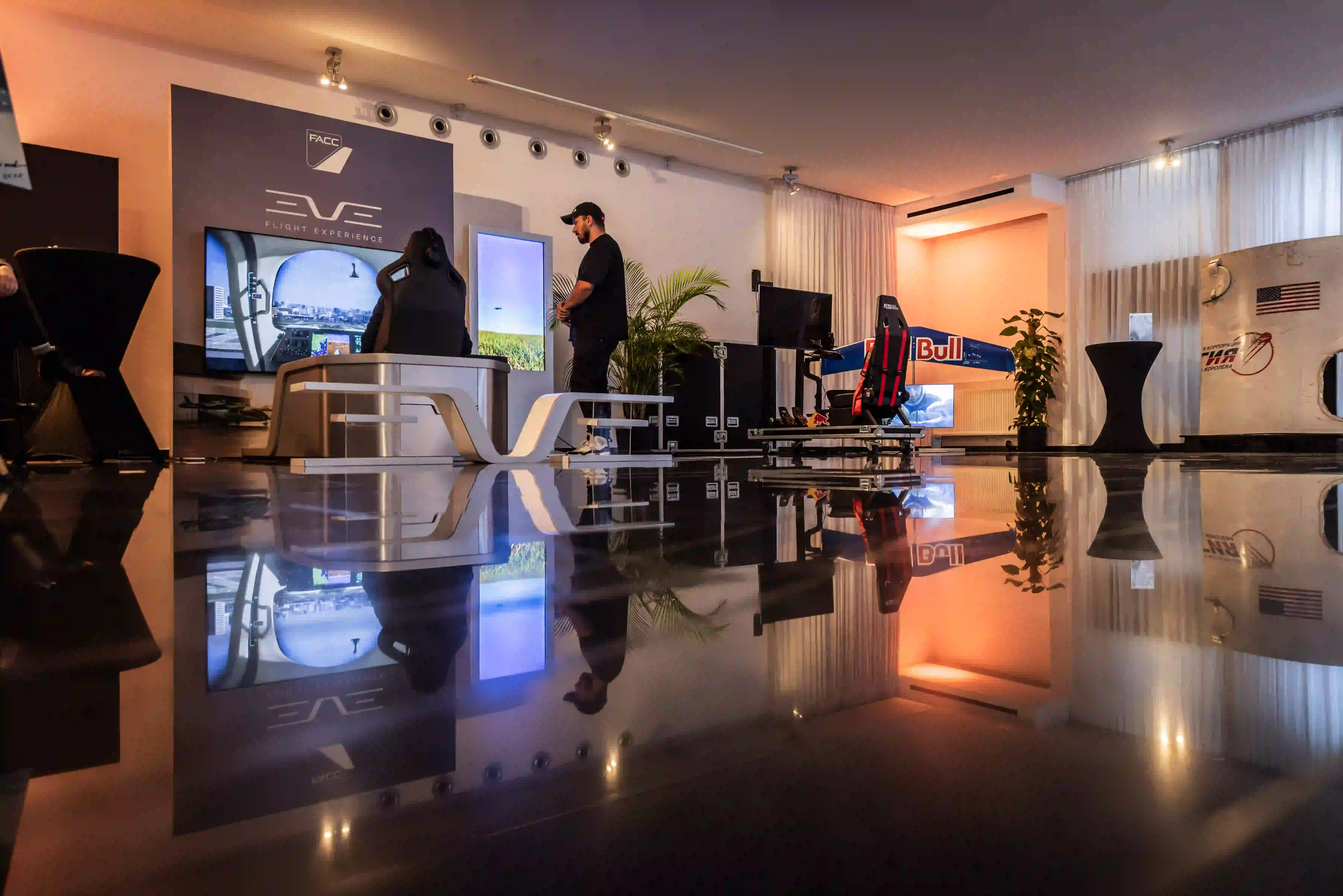
An original rocket engine mock-up was on display in the Science Lounge Experience Corner, alongside the AVILUS “GRILLE” rescue drone, an AirCar model and the Eve-100 simulator.
Key Takeaways from the Panel
FACC CEO Robert Machtlinger placed lightweight construction at the heart of the discussion: reducing weight directly translates into greater efficiency, while new materials and production processes will need to become far more scalable and economically viable in the future.
Johann Bordais of Eve Air Mobility made clear that eVTOL technology is no longer simply about technical visions. The real challenge lies in developing a certifiable, economically viable product – supported by an entire ecosystem encompassing infrastructure, energy supply, regulatory authorities and public acceptance.
For Daniel Dollinger, availability and scalability are key when it comes to unmanned aircraft for medical applications. Automation can support pilots and operators, but safety-critical decisions must not be handed over to autonomous systems without appropriate control and oversight.
Johannes Plaum used the Airbus RACER to demonstrate the potential of consistent, long-term research: higher speeds, lower fuel consumption, reduced noise emissions and more than 90 new patents are the result of years of development. His clear message: never stop inventing.
For Stefan Brieschenk, the key to the future of European spaceflight lies in making highly complex technologies simpler, more affordable and scalable. Rocket Factory Augsburg is pursuing this approach with, among other things, 3D-printed components, with the long-term ambition of one day building rockets as efficiently as cars.
Stefan Klein, meanwhile, reflected on the decades-long journey behind his AirCar and acknowledged that, looking back, he would have sought greater access to capital, specialized expertise and strategic partnerships much earlier. He does not see his flying car as a solution for everyone, but as a new form of individual mobility – one designed to offer its users something above all: greater freedom.
The Science Lounge ultimately demonstrated that pioneering innovation thrives on the willingness to challenge established thinking, learn from other industries and continue developing new approaches across corporate and industry boundaries.